Understanding the Thriving Culture of Sabong Games
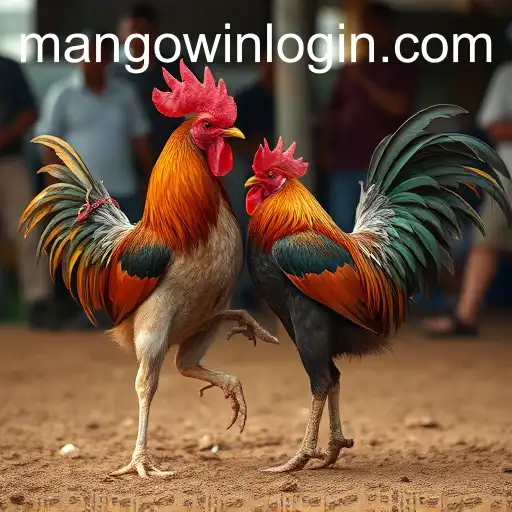
Sabong Games, a traditional form of cockfighting, is an age-old sport that remains culturally significant in various regions, particularly in the Philippines. Known for its unique blend of tradition and competition, the activity has somewhat evolved into modern platforms while maintaining its roots. Sabong, derived from the Spanish word "Sabung," refers to the cockfighting event where gamecocks are placed to fight each other. Despite controversies surrounding animal rights, Sabong continues to captivate enthusiasts, drawing significant crowds and creating buzz across the globe.
The Mechanics of Sabong Games
The mechanics of Sabong are straightforward yet engrossing. It involves two roosters in a fighting arena, battling each other until one is incapacitated or killed. These birds, often highly regarded for their breeding and training, are equipped with razor-sharp blades tied to their legs to intensify the duel. The spectacle of skill and chance involves bettors, who wager on the outcome of each fight, creating a dynamic environment brimming with anticipation. This vibrant atmosphere characterizes Sabong Games, where strategy and luck play pivotal roles.
Trainers dedicate substantial effort to prepare their gamecocks for these contests. The training often includes specialized diets, exercises, and even sparring sessions to enhance the birds' combat abilities. Meanwhile, bettors analyze numerous factors before placing bets, including the cock's lineage, previous performances, and observed behavior, adding layers of complexity to the game.
Cultural Significance of Sabong Games
In regions where Sabong is legally permitted, the sport holds immense cultural significance. It is often seen as a bonding activity transcending socioeconomic barriers, where people from different walks of life gather in shared enthusiasm. Events are frequently accompanied by traditional festivities, further solidifying Sabong's cultural integration. The cultural tapestry surrounding Sabong is rich, with tales, songs, and legends that speak of its historical roots and mythical connections.
In communities, Sabong events are akin to a carnival, drawing not only locals but tourists eager to experience this pulsating spectacle. Over time, these gatherings have become emblematic of resilience, culture, and communal ties. Today, the sport still thrives at the heart of cultural expression, fostering camaraderie and intense engagement.
Modern Evolution: The Rise of Digital Platforms
As technology advances, traditional pastimes like Sabong have found a place in the digital realm. Various platforms have emerged, allowing enthusiasts to engage in Sabong online. One such platform is MANGOwin, which brings Sabong to the convenience of digital arenas. Users can experience the sport virtually, participating in betting and watching the events unfold live from the comfort of their homes. This technological progression has broadened Sabong's accessibility, attracting a more extensive audience beyond physical boundaries.
MANGOwin and other platforms enable users to enjoy Sabong's excitement through a convenient interface while maintaining the traditional essence of the sport. Online Sabong allows for enhanced features, such as detailed statistics and analytical tools, empowering bettors to make informed decisions. The integration of technology helps safeguard animal welfare, providing alternative ways to engage with Sabong while adhering to ethical standards.
The digital transformation has also sparked discussions on the regulation and oversight of online Sabong, ensuring fair play and transparent transactions. As such, platforms like MANGOwin are pioneering efforts in maintaining the sport's relevance in modern times while ensuring a safe, enjoyable experience for participants.
Legal Perspectives and Ethical Considerations
The legal status of Sabong Games varies significantly across different jurisdictions. While it remains a legal and regulated practice in regions like the Philippines, many countries have banned the sport due to ethical concerns. Animal rights activists argue against Sabong, citing cruelty against animals. The debate surrounding Sabong encompasses ethical, cultural, and economic dimensions, reflecting its complex role in society.
In areas where Sabong is permitted, regulatory bodies impose stringent guidelines to ensure humane treatment of animals, with stipulated conditions for training, handling, and the conduct of matches. These regulations aim to strike a balance between cultural preservation and animal welfare. As technology integrates with traditional practices, the conversation around ethical Sabong continues to evolve, emphasizing transparency and humane approaches.
The Future of Sabong Games
Looking forward, Sabong's future appears intertwined with technological advancements and ethical considerations. As more platforms like MANGOwin enhance their features, they are likely to continue attracting a global audience interested in the blend of tradition and modernity. The ongoing dialogue around ethical practices in Sabong ensures that it adapts to contemporary sensibilities while preserving its rich heritage.
Sabong Games represent a deeply entrenched cultural artifact, embodying tradition, excitement, and community spirit. As it transitions into new forms, it remains a compelling testament to cultural adaptation, reflecting the resilience and enduring allure of a sport that transcends time and technology.